Services

Comprehensive Health Assessment

During your appointment we will take a health history, which includes discussing your current medical conditions as well as your concerns. We will go over any allergies, medications and treatments you are currently going through or trying. During your assessment we will look at your skin from your knees down, this allows us to check on your skin health as well as your circulation. Your circulation will further be assessed by checking your pulses. These assessments can help us evaluate any health concerns that contribute to lower leg and foot health, as well as your overall health. The health assessment also includes observing how you walk, get up and sit down, as gait and how we move can be profoundly affected by our feet. Footwear and current orthotics will also be evaluated.  A physical exam further includes looking at your feet, nails and movement of the toes and foot/ankle joints. Together, based on the results from your health assessment, we will go over recommendations and come up with goals and a care plan that reflect your personal needs. We revisit these goals on a regular basis to ensure they continue to reflect your concerns and desired outcomes.

Nail Care Service

Many different aspects of our health affect our nails, in their shape, colour, thickness and strength. Our nails can paint a picture of our health and give us clues as to what may be happening in our bodies. Nail care services at the appointment includes: assessment of toenails finishing with trimming and filing of the nails.  Common nail conditions that may be occurring and can be treated include: INGROWN TOENAILS Anyone with ingrown toenails know how painful they can be. Ingrown toenails are a common condition where the edge or corner of a toenail grows into the surrounding skin. This often results in pain, redness, swelling and sometimes infection. There are a few culprits that cause this troublesome condition. The main reason is: Improper nail trimming. Cutting toenails too short or rounding the edges can encourage a nail to grow into the skin. Tight footwear: Shoes that are too tight, narrow, pointed toe or high heeled can put pressure on the toes, squeezing the toes, pushing the nails into the skin. Genetics: Some people are more prone to ingrown toenails due to inherited nail shapes and thickness. Injury: Trauma to the toe, such as stubbing or dropping something on your toes can cause the nail to grow abnormally. Injury due to repetitive movements, usually seen with athletes, can also cause the nail to grow involuted and into the corners. Regular nail care appointments can help retrain the nail to grow in a healthy pattern. Education is always part of care provided and will also be given for correct nail trimming and filing techniques. BRACING: For more serious involution, there are bracing options to explore which may eliminate the need for surgery in some cases as they straighten out the nail as it grows, creating a healthy grow pattern. Bracing can further help with pain management immediately as a part of the care plan of the ingrown toenail. We can discuss these options at your appointment. Thick or Fungal Toenails There are many reasons why a nail can be thick (onychauxis).  Some medical conditions will cause extra thickness, or sometimes a previous injury to the nail root can be the cause. During the appointment, your nails will be assessed, and thickness can be reduced by filing with specialty burrs. Routine maintenance will keep the thickness and thereby resulted comfort, under control. Fungal nails, also known as onychmycosis, is a common condition where a fungal infection affects one or more of the nails. This can cause the nail to become discolored, thickened, brittle, crumbly and sometimes painful.  Sometimes fungal nails can have an odor. There are many reasons why we may end up with a fungal issue in our nails which include, fungal infections, weakened immune system, trauma, and inconsistent foot hygiene. There are different treatment plans for fungal nails depending on the severity, and care capabilities of each individual. We will discuss the options at your appointment and come up with a personalized plan for you. Nail Deformities Misshapen nails can result from a variety of underlying conditions or external factors. Nail deformities can affect the appearance, texture and health of your nails. They may be growing in a distorted or uneven manner, be thicker than average, curved inward or outward, curling like a horn, or they may have dents, grooves or ridges in them on the surface of the nails. Misshapen nails are often accompanied by changes in colour, such as yellowing, spots or lines. Treatments options are varied and individualized, but can include addressing underlying causes, such as fungal infections or psoriasis; protective measures to avoid nail trauma, and good nail hygiene which includes routine nail trimming and filing. DIABETIC NAILS Diabetic nails refer to the changes and challenges that people with diabetes often face in maintaining healthy nails. Diabetes can affect leg, foot and nail health due to its impact on circulation, nerve function, and the body’s ability to fight infections. Some of the common nail issues of diabetes include thickened, yellow discoloration, slow nail growth, nail pitting or ridges, ingrown and infections. These conditions of the nail can be managed with optimal blood sugar control, good foot hygiene, and routine foot and nail care. As the care concerns are more in depth with diabetes, preventative treatment and care goals are discussed at each visit in relation to your leg, foot and nail health.

Callus, Corn & Verruca

Many of us are affected by calluses, corns or different types of warts on our feet.  They can be painful, affecting how we walk and move, which can have a negative impact on our hips, knees and back.  There is help!  Let us explore the causes and what we can do during your appointment.

CALLUS

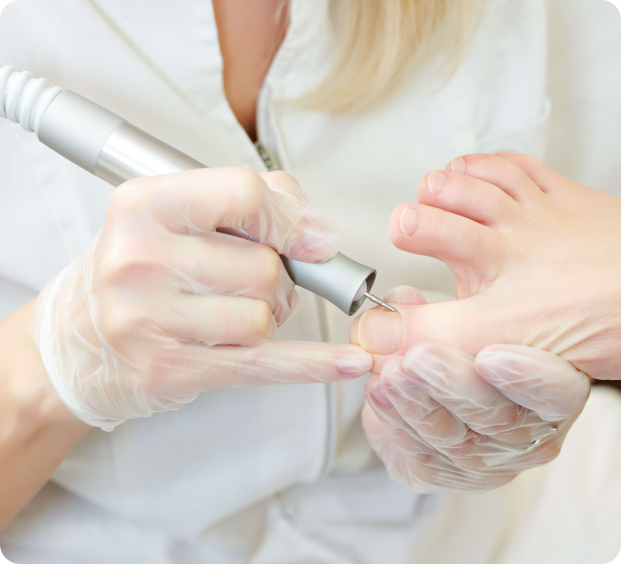
Calluses are thickened areas of skin that develop on the feet due to repeated or continued pressure or friction. They are the body’s natural way of protecting the skin from irritation and damage.  They typically form on areas of the feet that experience constant pressure or friction such as the heels, balls of the feet and sides of the toes.  The common reasons for developing calluses are from tight- or ill-fitting shoes. This causes pressure or friction if too loose, which in turn will cause the thickening of the skin in order to protect itself from injury. Other causes are high activity levels, from the constant stress on the feet, and foot deformities such as bunions, hammertoes and clubbed feet. A callus will appear as thickened skin, with a hard or rough texture, may appear yellowish or grey in color and can cause discomfort. During your appointment we will file down existing calluses with specialty burrs or foot files. We will go over options for long term treatment to prevent or reduce recurrence.

CORNS

Corns are thickened areas of skin, that typically develop on the feet between the toes and on the ball of the foot, due to repeated pressure or friction. Corns are caused from very focused pressure being repeated in 1 spot, they appear as circular, raised concentrated areas of pressure, often painful when pressed and can have a central core. They may be yellow or grey in colour. There are 3 main types of corns, each with their own reasons for forming. These include hard, soft and seed corns. Causes can be tight or loose footwear, toe deformities, improper gait or repetitive activities such as sports, walking or standing for long periods. These can all cause focused areas of pressure, resulting in painful corns. During your appointment we will trim and remove the corn and provide guidance on preventing recurrence or development of future corns. There are many options to explore to achieve this goal.

VERRUCA

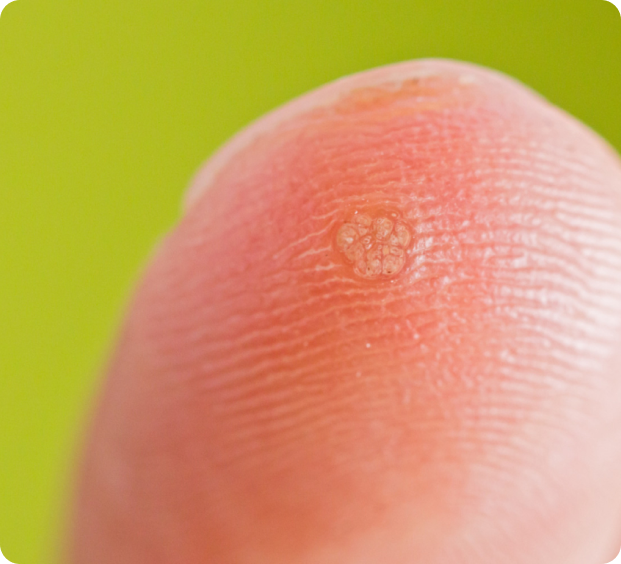
 Verruca, commonly known as plantar wart, is a type of wart that appears on the soles of the feet. It is caused by a viral infection in the other layers of the skin, often painful, especially if over any weight bearing areas of the foot. Verrucae are highly contagious and can spread through direct contact with the wart or by touching surfaces contaminated with the virus (usually HPV), such as showers, swimming pools, locker rooms or any communal areas where people are barefoot. The virus will enter the skin through small cuts or abrasions in the foot, including dry skin areas and cracked calluses.

They may appear as raised rough areas, grainy, sometimes with what appears as black dots to the centers. Sometimes multiple warts form together appearing as a cluster, greyish in color. Warts are often very painful and can feel like stepping on a stone.

There are many treatment options available which can include, over the counter treatments, cryotherapy, laser treatment, prescription treatments, minor surgery and sometimes immune therapy. Taking preventative measures is important and will be part of your ongoing health care plan at your appointments.

INDIVIDUALIZED CARE PLANS

Together, during the initial assessment as with ongoing appointments, we form a care plan based on the exam, that is tailored to each person. Even when our concerns are the same, each person is unique and has different needs. Individualized care plans are designed based on the particular needs, preferences, medical history and capabilities of each person, ensuring that treatment is specific to your condition and lifestyle. Having personalized goals increases positive outcomes, as goals are reflective of each individual.

S.M.A.R.T. goals are a framework we will use together for setting clear and workable objectives. Goals are set based on personal concerns, desired outcomes, and a plan on achieving those outcomes, with measurable timelines, being realistic for each person’s abilities and resources. Having individual goals provides a clear direction and focus of your choice, allowing for an understanding of what needs to be achieved from your appointments and ongoing care needs.

Post Care Massage

After your foot care, we conclude your appointment with a gentle massage of the lower legs and feet. This soothing addition offers a variety of physical and psychological benefits. Massage helps stimulate blood flow, improving overall circulation and delivering vital oxygen and nutrients to the tissues—beneficial for both skin and nerve health. It also helps relax tight muscles, reduce fatigue, relieve pain, and enhance mobility in the feet and ankles. Beyond the physical, massage promotes a sense of relaxation and well-being. So go ahead—put your feet up and enjoy a well-deserved moment of pampering as we finish your visit with care and comfort.         
Product Used

During your appointment we apply quality products based on your individual needs. Here is a list TLC uses: